
How to Request a Tow Truck Safely
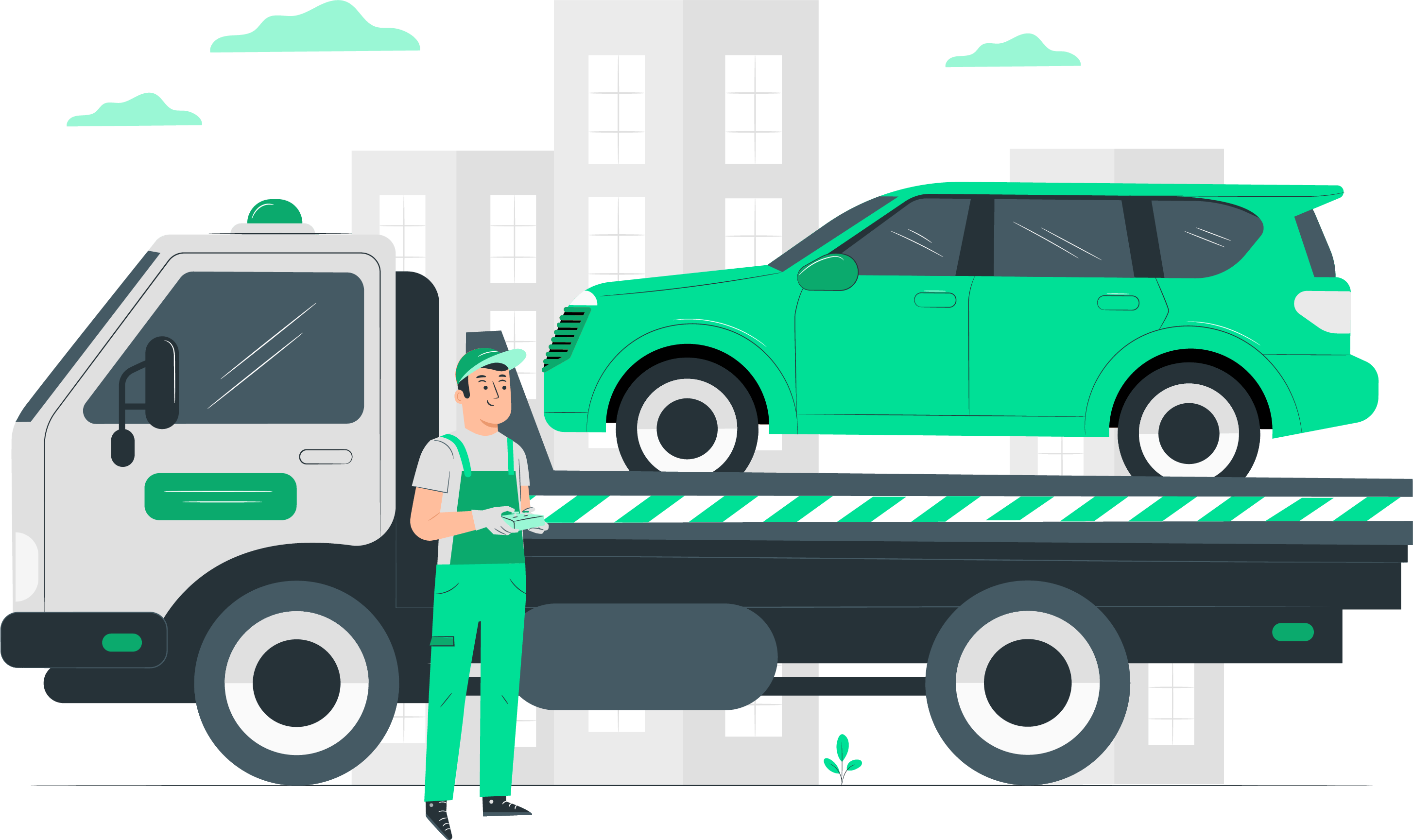
Breaking down on the side of the road is stressful enough. The last thing you want to worry about is whether you're calling the right tow truck, overpaying, or putting yourself at further risk.
Whether your vehicle has stalled, overheated, blown a tire beyond repair, or been involved in an accident, knowing how to request a tow truck safely can protect you financially and physically.
This guide walks you through exactly what to do — step by step — to ensure you get legitimate, professional help without unnecessary risk.
Step 1: Prioritize Immediate Safety
Before you even think about calling for a tow truck, secure your environment.
-
Turn on hazard lights immediately.
-
Move the vehicle off the roadway if possible.
-
Avoid stopping on blind curves or hills.
-
Stay inside the vehicle if traffic is heavy.
-
Lock your doors.
If your car cannot move and you're in a high-speed traffic area, remain inside with your seatbelt fastened until help arrives unless staying inside is unsafe.
If there are injuries or serious hazards, call emergency services first.
Step 2: Determine If You Truly Need a Tow
Not all roadside situations require towing.
You may only need:
-
A jumpstart
-
Fuel delivery
-
A lockout service
-
A tire change
If your car is unsafe to drive, leaking fluids, overheating severely, or damaged from an accident, towing is likely required.
If you're unsure, you can begin by reviewing roadside service options here:
🔵 https://itraino.com/emergency-roadside-assistance-solutions
Slug: emergency-roadside-assistance-solutions
This helps you select the correct service type before requesting full towing.
Step 3: Gather Critical Information Before Requesting Help
To request a tow truck quickly and accurately, prepare:
-
Exact location (highway number, mile marker, nearby landmarks)
-
Vehicle make, model, and color
-
Description of the problem
-
Whether the vehicle rolls or is immobilized
-
Whether it was involved in an accident
-
Preferred destination (repair shop, home, dealership)
The more accurate your details, the faster the correct truck can be dispatched.
Step 4: Avoid Random Tow Trucks That “Just Show Up”
After accidents, especially on highways, you may see tow trucks arriving quickly — sometimes before you call anyone.
Be cautious.
Some operators monitor police scanners and approach accident scenes unsolicited. While not all are illegitimate, you should:
-
Confirm who dispatched them
-
Verify company identification
-
Avoid signing documents you don’t understand
-
Never feel pressured
The safest way to request service is through a verified platform where operators are confirmed and job details are documented.
Step 5: Use a Verified Digital Roadside Assistance Platform
The modern and safest way to request a tow truck is through a structured digital system.
Request towing services here:
🔵 https://itraino.com/emergency-towing
Slug: emergency-towing
Digital request platforms provide:
-
Verified operators
-
Documented service records
-
Clear service selection
-
Location tracking
-
Secure in-app payments
This removes guesswork and reduces the risk of pricing disputes.
What Information You Should Confirm Before Service Begins
When the operator arrives:
-
Confirm the company name.
-
Confirm your name and service request.
-
Ask for estimated delivery time to your destination.
-
Confirm pricing structure before loading the vehicle.
Professional operators will have no issue answering these questions.
Step 6: Understand Towing Pricing Basics
Towing costs typically include:
-
Hook-up fee
-
Per-mile charge
-
After-hours surcharge (if applicable)
-
Special equipment fees (winching, flatbed, heavy-duty)
Digital platforms provide greater pricing transparency before confirmation.
That’s one major advantage of structured roadside systems.
Step 7: Stay Safe During Vehicle Loading
While your vehicle is being prepared for towing:
-
Stand at a safe distance.
-
Avoid standing between vehicles.
-
Keep children inside your vehicle or safely away from traffic.
-
Do not distract the operator while they are securing your vehicle.
Professional tow truck operators follow safety protocols to prevent damage and injury.
Accident-Specific Towing Tips
If your breakdown involves a collision:
-
Take photos of vehicle damage.
-
Exchange information with other drivers.
-
Obtain a police report if required.
-
Inform your insurance company.
Once ready, request towing through a verified system:
🔵 https://itraino.com/emergency-towing
Slug: emergency-towing
This ensures your vehicle is transported securely to a repair facility of your choice.
Protecting Yourself From Towing Scams
Unfortunately, towing scams do occur.
Warning signs include:
-
Extremely aggressive operators
-
Refusal to provide pricing details
-
Demanding cash-only payment
-
Pressuring you to tow to a specific repair shop
-
Lack of proper branding or identification
Using a structured digital platform reduces these risks significantly.
The Advantage of Secure Digital Payment
Traditional roadside transactions often involve:
-
Swiping cards roadside
-
Cash exchanges
-
Paper receipts
-
Pricing misunderstandings
Modern systems allow secure payment inside the platform, reducing:
-
Fraud risk
-
Payment disputes
-
Miscommunication
-
Billing confusion
Learn how secure towing payments work here:
🔵 https://itraino.com/digital-towing-dispatch-platform
Slug: digital-towing-dispatch-platform
Choosing the Right Destination for Your Vehicle
Before your vehicle is loaded, decide where it should go:
-
Trusted local mechanic
-
Dealership service center
-
Body shop
-
Your residence
If you don’t have a preferred repair facility, ask the operator for neutral recommendations — but remember, the final decision is yours.
Special Considerations for Electric Vehicles
If you drive an EV:
-
Inform the operator immediately.
-
Confirm they have proper towing equipment.
-
EVs often require flatbed transport.
Always disclose vehicle type to prevent drivetrain damage.
What to Do After the Tow Is Completed
Once your vehicle is delivered:
-
Confirm drop-off location accuracy.
-
Take photos of vehicle condition.
-
Keep digital or printed receipts.
-
Notify insurance if necessary.
If you used a digital roadside app, your service record will remain stored inside your account for future reference.
Why App-Based Towing Is Becoming the Standard
Motorists today expect:
-
Speed
-
Transparency
-
Documentation
-
Safety
-
Convenience
App-based towing delivers all of these in one structured system.
Instead of searching “tow truck near me” and calling multiple numbers, you can request verified assistance instantly.
Download or request assistance here:
🔵 https://itraino.com/emergency-roadside-assistance-solutions
Slug: emergency-roadside-assistance-solutions
Final Thoughts
Requesting a tow truck doesn’t have to be overwhelming.
Follow these key principles:
-
Secure your safety first.
-
Assess whether towing is necessary.
-
Gather accurate location details.
-
Avoid unsolicited operators.
-
Use a verified digital request platform.
-
Confirm pricing before service.
-
Keep documentation.
When handled properly, towing becomes a structured and predictable solution — not an added stressor.
And when you're already dealing with a breakdown, that peace of mind matters.
Word Count: 1,836 words